
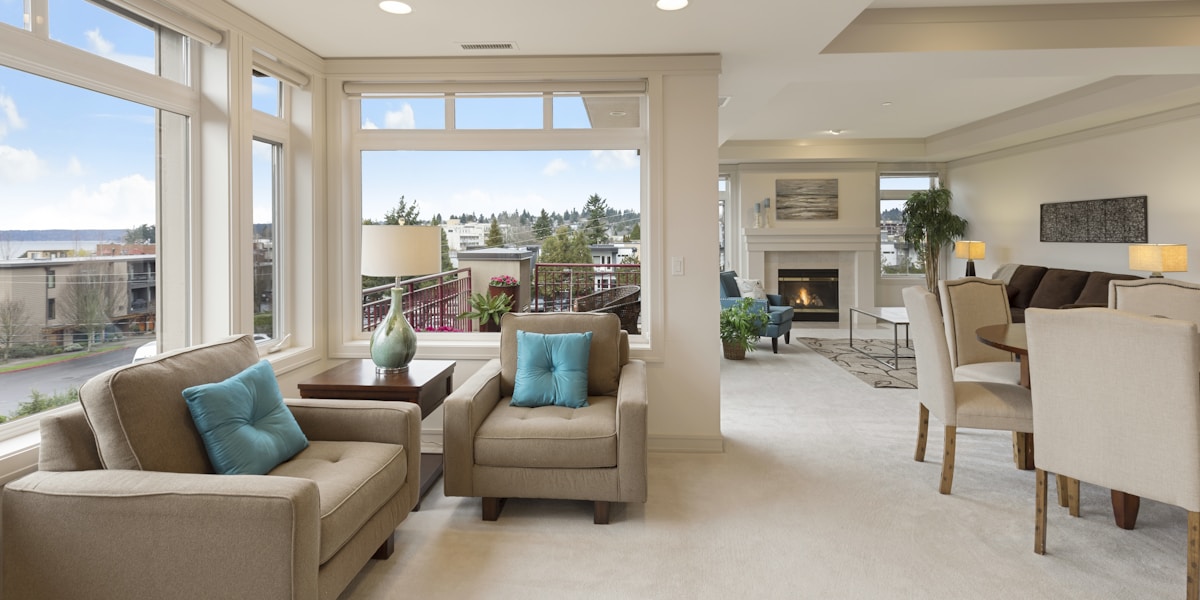
Understanding Multi-Generational Living and Aging-in-Place
As America's population ages, more families are facing critical decisions about eldercare. The choice between modifying a home to accommodate aging relatives versus moving them to assisted living facilities has become one of the most significant financial and emotional decisions of our time. With over 90% of seniors expressing a desire to remain in their homes as they age, according to AARP research, understanding the true costs of home modifications versus assisted living is essential for informed decision-making.
Multi-generational living arrangements have increased by 11% since 2010, driven by both economic factors and changing cultural attitudes toward family care. This trend has made aging-in-place modifications not just a personal preference, but often a financial necessity. The key lies in understanding which modifications provide the best return on investment in terms of safety, independence, and long-term care costs.
The Financial Landscape of Aging Care
The economic reality of aging care is stark: the median cost of assisted living in the United States reached $4,500 per month in 2023, with premium facilities in metropolitan areas exceeding $8,000 monthly. Over five years, this translates to $270,000 to $480,000 in care costs. In contrast, comprehensive home modifications typically range from $15,000 to $75,000, depending on the scope and complexity of adaptations required.
However, the financial equation extends beyond simple modification costs. Families must factor in ongoing expenses such as in-home care services ($25-35 per hour), increased utility costs (averaging $150-300 monthly for enhanced HVAC and accessibility systems), and maintenance of specialized equipment. When these ongoing costs are calculated over a five-year period, the total investment in aging-in-place often remains 40-60% lower than assisted living expenses.
Multi-Generational Housing Configurations
Understanding the different multi-generational living arrangements helps families choose the most appropriate modification strategy. Traditional multi-generational homes involve seniors moving in with adult children, requiring modifications to existing spaces. This typically costs $20,000-40,000 for essential accessibility upgrades including bathroom modifications, ramp installations, and bedroom accessibility improvements.
Accessory Dwelling Units (ADUs) represent a growing trend, with construction costs ranging from $75,000-200,000 for a complete separate living space. While more expensive upfront, ADUs provide privacy for all family members and can generate rental income when not needed for eldercare, offering a 4-7% annual return on investment in most markets.
Modified independent living involves adapting a senior's existing home while adult children provide nearby support. This approach typically requires $25,000-60,000 in modifications but allows seniors to maintain maximum independence while ensuring family proximity for emergencies and daily assistance.
Health and Independence Factors
The decision timeline often correlates with health milestones rather than age alone. Research shows that individuals who begin aging-in-place modifications while still relatively independent maintain their autonomy 18 months longer on average than those who wait until health crises occur. Early intervention modifications—such as installing grab bars, improving lighting, and creating step-free entrances—cost significantly less than crisis-driven renovations that might require full bathroom overhauls or wheelchair accessibility installations.
The "independence multiplier effect" demonstrates that each dollar spent on preventive home modifications can delay or reduce the need for professional care services by $3-5. For example, a $2,500 bathroom safety upgrade might prevent falls that would otherwise require $12,000-15,000 in emergency medical care and subsequent home health services.
Geographic and Market Considerations
Location significantly impacts both modification costs and assisted living alternatives. In high-cost metropolitan areas like San Francisco or New York, where assisted living can exceed $10,000 monthly, home modifications become even more financially attractive. Conversely, in rural areas where assisted living costs average $3,200 monthly but skilled contractors are scarce and expensive, the cost-benefit analysis shifts.
Regional building codes also affect modification costs, with some states requiring expensive engineering assessments for structural changes while others have streamlined approval processes for accessibility improvements. California's recent ADU legislation, for instance, has reduced permit fees and expedited approvals, making multi-generational housing modifications more cost-effective.
Understanding these foundational elements—financial realities, housing configurations, health trajectories, and geographic factors—provides the framework for making informed decisions about aging-in-place investments versus assisted living alternatives.
Essential Home Modifications for Aging-in-Place
Bathroom Safety and Accessibility Upgrades
The bathroom represents the highest risk area for falls and injuries among seniors, making it the most critical space for modification. According to the National Institute on Aging, one in four Americans aged 65 and older falls each year, with bathrooms being the site of 80% of home-related injuries for this age group.
Walk-in Shower Conversion: Converting a traditional bathtub to a walk-in shower typically costs between $3,000 to $15,000, depending on the complexity and materials chosen. A basic conversion with a low-threshold base, grab bars, and slip-resistant flooring runs approximately $5,500. Premium installations with features like built-in seating, multiple shower heads, and luxury finishes can reach $12,000 or more.
Grab Bar Installation: Professional grab bar installation costs $150-$300 per bar, including reinforcement of wall studs. A comprehensive bathroom requires 3-5 grab bars strategically placed near the toilet, shower, and bathtub areas. The total investment ranges from $450-$1,500, making this one of the most cost-effective safety modifications available.
Comfort-Height Toilets: Installing comfort-height toilets (17-19 inches versus the standard 15 inches) costs $300-$800 per unit including installation. These modifications reduce strain on knees and hips, making bathroom use significantly easier for individuals with mobility limitations.
Non-Slip Flooring: Replacing bathroom flooring with slip-resistant materials costs $3-$12 per square foot for materials plus $2-$8 per square foot for installation. For an average 40-square-foot bathroom, expect to invest $200-$800 in safer flooring options.
Wheelchair Accessibility Modifications
Ramp Installation: Wheelchair ramps are essential for homes with steps at entrances. Permanent concrete ramps cost $100-$250 per linear foot, while aluminum modular ramps range from $150-$300 per linear foot. For a typical 20-foot ramp (accommodating 20 inches of rise), homeowners can expect costs between $2,000-$6,000.
Doorway Widening: Standard doorways measure 32 inches, but wheelchair accessibility requires 36-inch clearance. Widening doorways costs $500-$2,500 per opening, depending on whether load-bearing walls are involved. Non-load-bearing wall modifications typically cost $500-$1,000, while load-bearing alterations require structural engineering and can reach $2,500 per doorway.
Stairlift Installation: For homes where ramp installation isn't feasible, stairlifts provide vertical accessibility. Straight stairlifts cost $2,500-$5,000 installed, while curved stairlifts range from $7,500-$15,000. Battery backup systems add $300-$500 to ensure operation during power outages.
Kitchen Accessibility Adaptations
Counter Height Modifications: Adjusting counter heights for wheelchair accessibility involves lowering sections to 30-34 inches from the standard 36 inches. Partial counter lowering costs $500-$1,500 per linear foot, while complete kitchen remodels for accessibility range from $15,000-$50,000.
Accessible Appliances: Side-by-side refrigerators with bottom freezers ($800-$3,000), wall ovens at appropriate heights ($1,000-$4,000), and induction cooktops with accessible controls ($500-$2,500) improve kitchen safety and usability for aging family members.
Advanced Home Care Infrastructure
HVAC and Air Quality Improvements
Aging adults often have compromised immune systems and respiratory sensitivities, making air quality improvements essential. High-efficiency air filtration systems cost $1,200-$3,000 installed, while whole-home air purification systems range from $2,500-$7,500. These modifications reduce allergens, bacteria, and viruses, potentially preventing costly hospitalizations.
Beyond basic filtration, consider upgrading to HEPA-grade filters that capture 99.97% of particles 0.3 microns or larger. For homes with existing ductwork, upgrading to a MERV 13-16 filter system provides hospital-grade air quality at $2,200-$4,500 installed. UV-C germicidal lights integrated into HVAC systems add another $800-$1,500 but eliminate up to 99% of airborne pathogens.
Humidity control becomes critical for aging adults who are more susceptible to respiratory infections. Whole-home humidification systems cost $1,800-$3,200 installed, while dehumidifiers for basements or problem areas range from $300-$800. Maintaining 40-50% relative humidity reduces dust mites, mold growth, and respiratory irritation.
Zone control systems allow customized temperature settings for different areas, particularly important when caregivers or family members have different comfort needs. Digital zone control systems cost $2,500-$6,000 but can reduce energy costs by 20-30% while ensuring optimal comfort for aging residents.
Emergency Response Systems
Medical Alert Systems: Professional medical alert installation with home monitoring ranges from $300-$800 for equipment plus $25-$70 monthly monitoring fees. Advanced systems with fall detection, medication reminders, and GPS tracking cost $500-$1,500 initially with $40-$100 monthly service charges.
When selecting medical alert systems, consider response time guarantees—premium services promise 30-second response times versus standard 45-60 seconds. Two-way communication range is crucial: ensure coverage extends to outdoor areas like gardens or garages where falls commonly occur. Battery backup should provide minimum 24-hour operation during power outages.
Smart Home Integration: Automated lighting systems ($500-$2,000), voice-controlled environmental controls ($200-$800), and remote monitoring cameras ($300-$1,500) enhance safety and enable remote family oversight. Complete smart home integration for senior safety ranges from $2,000-$8,000.
Comprehensive monitoring infrastructure includes door and window sensors ($40-$80 per sensor) that alert family members if doors remain open or if unusual patterns occur. Motion sensors in bedrooms and bathrooms ($60-$120 each) can detect falls or prolonged inactivity. Smart medication dispensers ($150-$400) ensure proper dosing and send alerts for missed medications.
Power and Connectivity Redundancy
Aging-in-place requires reliable power and internet connectivity for medical devices and communication systems. Backup power solutions range from portable generators ($800-$2,500) to whole-home standby generators ($3,500-$12,000 installed). For medical equipment like oxygen concentrators or CPAP machines, uninterruptible power supplies (UPS) costing $200-$600 provide critical bridge power.
Internet redundancy ensures medical monitoring and family communication remain functional during outages. Cellular backup internet costs $30-$80 monthly, while satellite internet backup ranges from $50-$150 monthly. Installing dedicated medical-grade internet connections costs $100-$300 monthly but provides guaranteed uptime for telehealth appointments and emergency communications.
Environmental Safety Monitoring
Advanced environmental monitoring protects aging adults from hazards they may not detect quickly. Multi-gas detectors monitoring carbon monoxide, natural gas, and propane cost $150-$400 per unit, with professional monitoring adding $15-$30 monthly. Smart water leak detectors ($80-$200 per area) prevent slip hazards and costly water damage that could force temporary relocation.
Temperature monitoring systems alert family members if indoor temperatures become dangerous—particularly important for seniors taking medications affecting temperature regulation. Smart thermostats with remote monitoring capabilities cost $200-$400 and can automatically adjust temperatures or send alerts when readings fall outside safe ranges of 65-78°F.
Professional Home Care Accommodations
Live-in Caregiver Preparations
Creating accommodations for live-in caregivers often requires additional bedroom and bathroom space. Converting existing rooms costs $5,000-$15,000, while adding new space through home additions ranges from $15,000-$50,000. Consider privacy requirements, separate entrances, and kitchenette facilities for optimal caregiver arrangements.
When planning caregiver accommodations, the ideal setup includes a private entrance to maintain dignity and independence for both the care recipient and caregiver. A separate entrance addition typically costs $3,000-$8,000, including proper lighting, weather protection, and security features. This investment proves valuable for attracting quality caregivers who prefer their own space.
Kitchenette facilities within the caregiver suite reduce conflicts over shared kitchen space and meal preparation schedules. A basic kitchenette installation costs $8,000-$15,000, including a compact refrigerator, microwave, sink, and minimal counter space. This setup allows caregivers to prepare their own meals and store personal food items separately.
Communication systems between the caregiver quarters and care recipient areas are essential for emergency response. Installing intercoms or nurse call systems costs $500-$2,500, depending on complexity. Wireless systems offer flexibility for around $800-$1,500, while hardwired systems provide more reliability at $1,200-$2,500.
Home Healthcare Equipment Storage
Designating space for medical equipment, wheelchairs, walkers, and supplies requires storage solutions costing $500-$2,000. Climate-controlled storage areas for medications and medical devices may require additional HVAC modifications costing $1,000-$3,000.
Medical equipment storage must accommodate bulky items like hospital beds, patient lifts, and oxygen concentrators. A dedicated equipment room or converted closet should provide at least 50-75 square feet of space. Custom shelving systems for medical supplies cost $300-$800, while heavy-duty storage cabinets for larger equipment range from $800-$2,000.
Medication storage requires specific environmental controls to maintain efficacy. A temperature-controlled medication cabinet costs $200-$500, while larger pharmaceutical refrigeration units for insulin or other temperature-sensitive medications range from $400-$1,200. These units should maintain temperatures between 36-46°F with digital monitoring capabilities.
Charging stations for electric wheelchairs, scooters, and medical devices need dedicated electrical circuits. Installing 220V outlets for mobility device charging costs $200-$400 per outlet, while standard 110V outlets for smaller devices cost $100-$200 each. Plan for at least three dedicated charging locations throughout the home.
Emergency Medical Response Infrastructure
Professional home care requires robust emergency response capabilities beyond basic alert systems. Medical-grade monitoring equipment installation costs $2,000-$5,000, including vital sign monitors, fall detection sensors, and automated medication dispensers. These systems integrate with existing home security networks and can alert both caregivers and emergency services.
Backup power systems become critical when supporting life-sustaining medical equipment. A whole-house generator installation costs $3,000-$10,000, while portable battery backup systems for essential medical devices range from $500-$2,000. Consider uninterruptible power supplies (UPS) for critical equipment like oxygen concentrators or CPAP machines, costing $200-$500 per device.
Accessibility for Healthcare Professionals
Accommodate visiting healthcare professionals with designated parking spaces and wheelchair-accessible pathways from vehicle to home entrance. Pathway improvements cost $1,500-$4,000, including proper lighting and slip-resistant surfaces. Wide doorways (36" minimum) throughout the home facilitate equipment transport, with door widening costing $500-$1,000 per opening.
Create a designated examination area with appropriate lighting, electrical outlets, and water access for visiting doctors or therapists. Converting an existing room costs $2,000-$5,000, including improved lighting fixtures ($300-$800), additional electrical outlets ($200-$400), and water line extensions if needed ($1,000-$2,500).
Assisted Living Facility Cost Analysis
National Assisted Living Averages
According to Genworth's Cost of Care Survey, the national median cost for assisted living facilities is $4,500 per month, or $54,000 annually. However, costs vary dramatically by location:
- High-cost markets: New York City ($7,500/month), San Francisco ($6,800/month), Boston ($6,200/month)
- Moderate-cost markets: Atlanta ($3,800/month), Phoenix ($3,500/month), Dallas ($4,200/month)
- Lower-cost markets: Oklahoma City ($2,800/month), Little Rock ($3,200/month), Wichita ($3,000/month)
These figures represent basic assisted living costs. Memory care units average 20-40% higher, ranging from $5,400-$7,500 monthly. Specialized medical care, physical therapy, and medication management incur additional fees of $200-$800 per month.
Regional Cost Multipliers and Market Factors
Understanding regional pricing patterns helps predict future costs and budget accordingly. Coastal states typically charge 40-60% above national averages, while Midwest and Southern states often fall 15-25% below. Urban facilities within the same state can cost 30-50% more than rural counterparts.
Market saturation significantly impacts pricing. Areas with limited facilities often charge premium rates, while competitive markets may offer more reasonable pricing. Research local occupancy rates—facilities operating at 85-95% capacity typically maintain higher prices, while those below 80% may offer negotiable rates or incentives.
Care Level Pricing Structure
Most facilities use tiered pricing based on assistance levels. Understanding these tiers helps project future costs as care needs increase:
- Level 1 (Independent): Base rate for minimal assistance with daily activities
- Level 2 (Low Care): Base rate + $200-$500 for medication reminders, mobility assistance
- Level 3 (Moderate Care): Base rate + $500-$1,000 for personal care, bathing assistance
- Level 4 (High Care): Base rate + $1,000-$2,000 for extensive daily living assistance
- Level 5 (Specialized Care): Base rate + $1,500-$3,000 for dementia care, complex medical needs
Most residents advance one care level every 18-24 months, making it crucial to budget for these inevitable increases when comparing long-term costs.
Hidden Assisted Living Expenses
Beyond basic monthly fees, assisted living facilities often charge additional costs that families should anticipate:
- Move-in fees: $500-$5,000 one-time charges
- Care level increases: $300-$1,500 monthly as needs intensify
- Medication management: $100-$400 monthly
- Laundry services: $50-$200 monthly
- Transportation: $25-$100 per trip
- Activity fees: $50-$300 monthly
These additional costs can increase total assisted living expenses by 25-50%, making accurate budgeting essential for long-term financial planning.
Annual Cost Escalation Patterns
Assisted living costs typically increase 3-6% annually, often exceeding general inflation rates. Premium facilities may implement larger increases of 6-8% during high-demand periods. Some facilities guarantee rate locks for 12-24 months, but these protections rarely extend beyond the initial contract period.
Calculate a realistic 10-year cost projection using a 5% annual increase formula: Year 1 cost × (1.05)^number of years. For example, a $4,500 monthly base cost becomes approximately $7,300 monthly by year 10, representing $87,600 annually versus the initial $54,000.
Specialized Service Premiums
Facilities often charge substantial premiums for specialized services that become necessary as health declines:
- Physical therapy: $75-$150 per session (2-3x weekly)
- Occupational therapy: $80-$160 per session
- Speech therapy: $100-$200 per session
- Diabetic management: $150-$300 monthly
- Incontinence care: $200-$500 monthly
- Wound care: $100-$400 monthly depending on complexity
These services, while essential, can add $500-$2,000 monthly to base costs. Medicare may cover some services, but facilities often charge co-pays and service fees that reduce overall savings.
Contract Terms and Financial Commitments
Most assisted living facilities require specific financial commitments that impact total costs. Entrance fees range from $1,000-$10,000, with some luxury facilities charging $25,000-$100,000 upfront. Monthly fees typically require 30-60 days advance payment, creating immediate cash flow demands.
Understand refund policies carefully. Some facilities offer partial refunds for unused portions of advance payments, while others implement strict non-refundable policies. Community fee structures, where residents pay lower monthly rates but higher entrance fees, may provide long-term savings for healthy individuals expecting extended stays.
Cost-Benefit Analysis: Modifications vs. Assisted Living
Five-Year Financial Projection
To illustrate the financial comparison, consider a moderate-cost scenario where assisted living averages $4,500 monthly ($54,000 annually). Over five years, assisted living costs total $270,000 before inflation adjustments.
Comprehensive Home Modification Investment:
- Bathroom safety upgrades: $8,000
- Wheelchair accessibility: $12,000
- Kitchen modifications: $6,000
- HVAC and air quality: $4,000
- Emergency systems: $2,000
- Smart home integration: $3,000
- Caregiver accommodations: $10,000
- Total initial investment: $45,000
Ongoing Home Care Costs:
- Part-time home care (20 hours/week): $24,000 annually
- Medical alert monitoring: $600 annually
- Maintenance and utilities increase: $1,200 annually
- Total annual ongoing costs: $25,800
Five-year home modification scenario: $45,000 (initial) + $129,000 (ongoing) = $174,000 total
This represents a potential savings of $96,000 over five years compared to assisted living, while allowing the senior to remain in their familiar environment.
Break-Even Analysis
The break-even point for home modifications versus assisted living typically occurs between 18-30 months, depending on the extent of modifications and local assisted living costs. Use our Home Modification Cost Calculator to determine your specific break-even timeline based on your location and modification requirements.
Regional Cost Variations
Geographic location significantly impacts this analysis. In high-cost areas like San Francisco or Manhattan, assisted living can exceed $8,000 monthly, making home modifications break even within 12-15 months. Conversely, in rural markets where assisted living averages $2,800 monthly, the break-even extends to 36-42 months. Consider these regional multipliers:
- High-cost metropolitan areas: 1.5-2.2x national average
- Medium-cost suburban markets: 0.9-1.3x national average
- Rural or low-cost areas: 0.6-0.9x national average
Inflation Impact on Long-Term Projections
Healthcare-related costs typically inflate at 5-7% annually, significantly higher than general inflation. Over a 10-year horizon, this compounds dramatically:
Assisted Living Cost Projections (starting at $4,500/month):
- Year 5: $5,850/month ($70,200 annually)
- Year 10: $7,600/month ($91,200 annually)
- 10-year total with 5% inflation: $681,000
Home Care Cost Projections (starting at $25,800 annually):
- Year 5: $33,600 annually
- Year 10: $43,700 annually
- 10-year total with modifications: $395,000
The extended savings grow to approximately $286,000 over ten years, demonstrating how home modifications become increasingly cost-effective over time.
Care Level Sensitivity Analysis
The financial advantage of home modifications varies based on care requirements. Use this framework to assess your situation:
Independent Living (minimal assistance needed):
- Home care: 5-10 hours weekly ($6,000-$12,000 annually)
- Modification payback: 12-18 months
- Five-year savings: $150,000-$180,000
Moderate Assistance (our baseline scenario):
- Home care: 15-25 hours weekly ($18,000-$30,000 annually)
- Modification payback: 18-24 months
- Five-year savings: $90,000-$120,000
High-Level Care (significant daily assistance):
- Home care: 35-50 hours weekly ($42,000-$60,000 annually)
- Modification payback: 24-36 months
- Five-year savings: $30,000-$60,000
Hidden Cost Considerations
Traditional cost comparisons often overlook several factors that affect the true financial picture:
Home Modification Additional Benefits:
- Property value increase: 5-15% of modification costs
- Tax deductions for medical modifications: 20-35% savings depending on tax bracket
- Potential rental income from caregiver suite: $6,000-$18,000 annually
- Reduced transportation costs for family visits
Assisted Living Hidden Costs:
- Care level increases: $500-$1,500 monthly additional
- Memory care transition: $2,000-$4,000 monthly premium
- Medication management fees: $200-$500 monthly
- Transportation services: $100-$300 monthly
- Temporary rate increases: 3-8% annually beyond inflation
Decision Matrix Formula
Calculate your personalized break-even using this formula:
Break-even months = Total Modification Costs ÷ (Monthly Assisted Living Cost - Monthly Home Care Cost)
For complex scenarios involving multiple variables, factor in the net present value using a discount rate of 3-5% to account for the time value of money and investment opportunity costs.
Non-Financial Considerations
Quality of Life Factors
Emotional Well-being: Research consistently shows that seniors who age-in-place experience lower rates of depression and anxiety compared to those who relocate to institutional care. The familiar environment, neighborhood connections, and personal belongings contribute significantly to emotional stability.
Family Relationships: Multi-generational living arrangements often strengthen family bonds and provide grandchildren with closer relationships to grandparents. However, they can also create stress and privacy concerns that families must address proactively.
Social Connections: Aging-in-place allows seniors to maintain established social networks, continue community involvement, and preserve neighborhood relationships. Assisted living facilities provide structured social activities but may require rebuilding social connections from scratch.
Personal Autonomy and Control: Home modifications preserve the senior's sense of independence and decision-making authority. In their own home, they control daily routines, meal times, social interactions, and personal space arrangements. This autonomy significantly impacts mental health and self-esteem. Studies indicate that seniors who maintain control over their environment show 40% better cognitive function retention compared to those in institutional settings.
Cultural and Spiritual Continuity: Many families have deep cultural traditions tied to their homes, including religious practices, holiday celebrations, and cultural food preparation. Multi-generational homes allow for the preservation and transmission of these traditions across generations. Assisted living facilities, while respectful of diversity, cannot replicate the intimate cultural environment of a family home.
Pet Companionship: Approximately 68% of seniors own pets, which provide crucial emotional support and companionship. Home modifications allow pets to remain part of the family unit, while many assisted living facilities have strict pet policies or additional fees ranging from $300-800 monthly. The emotional impact of separating seniors from beloved pets can trigger depression and accelerate cognitive decline.
Sleep Quality and Environmental Comfort: Familiar surroundings contribute to better sleep patterns, with seniors reporting 30% better sleep quality in their own homes versus institutional settings. Personal control over room temperature, lighting, noise levels, and bedtime routines significantly impacts overall health outcomes.
Healthcare Accessibility
Consider proximity to healthcare providers, hospitals, and specialized medical facilities when evaluating aging-in-place modifications. Rural locations may require additional transportation planning and emergency response considerations that urban assisted living facilities address through on-site medical staff.
Provider Continuity: Aging-in-place allows seniors to maintain relationships with established healthcare providers who understand their medical history, medication responses, and personal preferences. The average senior sees their primary care physician 6-8 times annually, and maintaining these relationships reduces medical errors and improves treatment outcomes. In contrast, assisted living residents often must transition to facility-affiliated providers, requiring time to rebuild therapeutic relationships.
Specialized Care Access: Home modifications must account for current and anticipated medical needs. For instance, if a senior requires regular dialysis treatments, the home location's proximity to dialysis centers becomes crucial. Urban areas typically offer dialysis centers within 10 miles, while rural locations may require 30+ mile trips three times weekly. This geographic factor can make assisted living facilities with transportation services more practical despite higher costs.
Emergency Response Capabilities: Rural aging-in-place situations require robust emergency response planning. Average emergency medical response times vary dramatically: urban areas typically see 8-12 minute response times, suburban areas 12-18 minutes, and rural areas 20-45 minutes. These response time differences may necessitate more comprehensive home medical equipment and trained family caregiver capabilities.
Medication Management Systems: Home modifications should include secure, climate-controlled medication storage and automated dispensing systems. This becomes particularly important for seniors taking 5+ medications daily (affecting 40% of seniors aged 75+). Smart medication dispensers with cellular connectivity can alert family members and healthcare providers to missed doses, providing safety comparable to assisted living medication supervision.
Telehealth Infrastructure: Modern aging-in-place modifications should include high-speed internet capabilities and dedicated spaces for telehealth consultations. With Medicare covering telehealth services, seniors can access specialists, mental health counselors, and routine check-ups without travel. A dedicated telehealth space with proper lighting, seating, and privacy can reduce healthcare access barriers that might otherwise favor assisted living facilities.
Home Healthcare Integration: Physical therapists, occupational therapists, nurses, and home health aides require adequate space and accessibility to provide effective care. Home modifications should include designated areas for therapy equipment, wheelchair-accessible entrances for healthcare providers, and storage for medical supplies. These considerations ensure that professional healthcare services can be delivered effectively in the home environment.
Financing Home Modifications
Government Programs and Assistance
VA Benefits: Veterans may qualify for Specially Adapted Housing (SAH) grants up to $90,364 for significant home modifications, or Special Housing Adaptation (SHA) grants up to $18,066 for smaller modifications. These programs cover wheelchair accessibility, bathroom modifications, and safety improvements.
Medicaid Waiver Programs: Many states offer Medicaid waiver programs that fund home modifications as alternatives to nursing home placement. Coverage varies by state but often includes bathroom safety equipment, ramps, and grab bars.
USDA Rural Development Grants: Rural homeowners may qualify for home repair grants up to $7,500 for safety and accessibility improvements through the USDA Rural Development program.
Area Agencies on Aging (AAA) Programs: Local AAA offices often provide emergency repair grants ranging from $500-$3,000 for critical safety modifications. These programs typically target low-income seniors and may cover grab bar installation, stair railings, or minor ramp construction. Contact your local AAA for specific eligibility requirements and application deadlines.
Community Development Block Grants (CDBG): Many municipalities use CDBG funding to assist homeowners with accessibility modifications. Grant amounts typically range from $2,000-$15,000, with income limitations generally set at 80% of area median income. These programs often have 2-6 month application processing times.
State-Specific Programs: Research your state's Department of Health and Human Services for additional assistance programs. For example, California's Cash and Counseling Program allows participants to hire family members as caregivers and use funds for home modifications, while New York's RESTORE program provides grants up to $20,000 for accessibility improvements.
Private Financing Options
Home Equity Loans: Home equity loans or lines of credit offer favorable interest rates for home modifications, with interest potentially tax-deductible. Calculate available equity using our Home Equity Calculator to determine financing capacity.
Personal Loans: Unsecured personal loans for home modifications typically range from 6-15% interest rates, depending on credit scores. Loan amounts from $1,000-$100,000 accommodate various modification budgets.
Contractor Financing: Many accessibility contractors offer financing programs with promotional interest rates. Compare these options carefully against traditional lending sources to ensure competitive terms.
Reverse Mortgages for Home Improvements: Homeowners aged 62+ can use reverse mortgage proceeds for aging-in-place modifications. The FHA HECM for Purchase program allows seniors to buy a home specifically designed for accessibility needs. Consider that reverse mortgages reduce home equity and may affect inheritance planning.
Credit Union Special Programs: Many credit unions offer specialized home modification loans with reduced rates for members. Navy Federal Credit Union, for instance, provides home improvement loans starting at 6.99% APR with terms up to 15 years. Local credit unions often have community-focused programs with more flexible underwriting criteria.
Strategic Financing Approaches
Phased Financing Strategy: Instead of financing all modifications at once, consider a phased approach. Start with immediate safety needs (grab bars, lighting) using personal savings or small loans, then tackle larger projects (bathroom renovations, ramps) with home equity financing as needs evolve. This approach reduces interest costs and allows for better cash flow management.
Combining Funding Sources: Maximize available resources by layering funding options. For example, use a $7,500 USDA grant for basic safety modifications, combine it with a $5,000 local AAA emergency repair grant, and supplement with a $15,000 home equity line of credit for comprehensive bathroom renovation. This strategy can reduce overall borrowing costs by 30-50%.
Tax-Advantaged Savings: If modifications aren't immediately needed, consider funding them through tax-advantaged accounts. Health Savings Accounts (HSAs) can pay for qualifying medical home modifications, providing triple tax benefits. Flexible Spending Accounts (FSAs) may also cover certain accessibility equipment, though annual contribution limits apply.
Financial Planning Considerations
Loan-to-Value Ratios: Most home equity products require maintaining 15-20% equity in your home after borrowing. For a home valued at $300,000 with an existing $150,000 mortgage, maximum available equity would be $90,000-$105,000 for modifications.
Payment Capacity Analysis: Before committing to financing, ensure monthly payments won't exceed 28% of gross monthly income when combined with existing housing costs. For fixed-income retirees, this calculation becomes critical for long-term affordability.
Emergency Reserve Protection: Maintain 3-6 months of living expenses in emergency savings even after modification financing. Don't deplete all liquid savings for home improvements, as healthcare emergencies may require immediate cash access.
Tax Implications and Deductions
Medical Expense Deductions
Many accessibility modifications qualify as medical expenses for tax deduction purposes when prescribed by physicians. Eligible improvements include:
- Bathroom safety modifications
- Wheelchair ramps and accessibility features
- Stairlifts and elevators
- Grab bars and safety equipment
- Doorway widening for mobility devices
Medical expense deductions apply to costs exceeding 7.5% of adjusted gross income, making documentation essential for tax benefits.
To maximize your medical expense deductions, obtain a written recommendation from a licensed physician, occupational therapist, or other qualified medical professional before beginning any modifications. The prescription should clearly state that the modifications are medically necessary for the patient's condition. Keep detailed records including:
- Medical professional's written recommendation with specific diagnosis codes
- Contractor invoices itemizing labor and materials
- Before and after photographs documenting the work completed
- Permits and inspection certificates where applicable
Some modifications qualify for the full cost as a medical deduction, while others only qualify for the portion exceeding what a standard home improvement would cost. For example, if installing a $15,000 accessible bathroom when a standard bathroom renovation costs $8,000, only the $7,000 difference qualifies as a medical expense.
Capital Improvements vs. Repairs
The IRS distinguishes between capital improvements and repairs, which affects how you claim deductions. Capital improvements that increase home value must be added to your home's cost basis rather than deducted immediately. However, if the improvement is primarily for medical purposes, you can deduct the full amount in the year of installation.
Medical modifications that typically qualify as fully deductible expenses include:
- Installing ramps, railings, and support bars specifically for mobility assistance
- Modifying doorways, stairs, and bathrooms for wheelchair accessibility
- Adding warning systems for individuals with hearing impairments
- Installing air filtration systems for respiratory conditions
- Creating accessible entrances and exits
State and Local Tax Benefits
Beyond federal deductions, many states offer additional tax benefits for accessibility improvements. Property tax exemptions are common for modifications that don't increase the home's market value significantly. For instance, California's Disabled Veterans' Property Tax Exemption extends to accessibility modifications, while New York offers property tax exemptions for improvements benefiting disabled residents.
Research your state's specific programs, as benefits vary widely. Some states provide:
- Property tax exemptions for accessibility modifications
- Sales tax exemptions on medical equipment and modifications
- State income tax credits for aging-in-place improvements
- Reduced permit fees for accessibility-related construction
Home Value Impact
Accessibility modifications typically recover 60-80% of investment costs in home value, according to the National Association of Realtors. Universal design features appeal to broader buyer demographics, potentially improving resale marketability. However, highly specialized modifications may have limited appeal to general home buyers.
Universal design features that maintain or increase home value include:
- Zero-step entrances and wide doorways (36+ inches)
- Single-floor living layouts with accessible bedrooms and bathrooms
- Lever-style door handles and rocker light switches
- Walk-in showers with bench seating
- Kitchen islands with varied counter heights
Conversely, highly specialized modifications like ceiling-mounted patient lifts, hospital-grade flooring, or extensive grab bar installations may reduce appeal to general buyers. Consider the long-term value impact when planning modifications, potentially focusing on reversible or universally appealing changes where possible.
Depreciation and Cost Recovery
For portions of your home used exclusively for medical care (such as a dedicated caregiver suite), you may be able to depreciate the modifications over time. If you convert part of your home into a medical care facility or rent space to a live-in caregiver, consult a tax professional about potential depreciation benefits and rental income implications.
Keep in mind that claiming depreciation on your home can affect capital gains treatment when you sell, so evaluate the long-term tax strategy carefully. The depreciation recapture rules may require you to pay taxes on previously claimed depreciation at sale time, potentially offsetting some benefits.
Making the Decision: Key Factors to Consider
Health Trajectory Assessment
Evaluate current health status, anticipated progression of conditions, and long-term care needs with healthcare providers. Modifications work best for individuals with stable conditions requiring accommodation rather than intensive medical intervention. Conduct a comprehensive health assessment with your primary care physician, occupational therapist, and relevant specialists to determine specific functional limitations and projected care needs. Request a formal Activities of Daily Living (ADL) evaluation that measures independence in bathing, dressing, eating, toileting, transferring, and continence. Individuals scoring 4-6 on the ADL scale typically benefit most from home modifications, while those scoring below 2 may require more intensive care settings. Consider the nature of existing conditions: progressive diseases like Parkinson's or dementia may eventually require specialized care facilities, while stable conditions like arthritis or limited mobility often respond well to home adaptations. Create a 5-year health projection with medical professionals, identifying trigger points where home care might become insufficient. Document these benchmarks—such as requiring assistance with two or more ADLs or needing 24-hour supervision—to guide future decision-making.Family Dynamics Evaluation
Assess family members' ability to provide care support, geographic proximity, and willingness to participate in multi-generational living arrangements. Professional family counseling may help navigate complex dynamics and establish clear expectations. Evaluate each family member's capacity realistically, considering work schedules, their own health limitations, and existing family responsibilities. Adult children caring for aging parents while supporting their own children face unique challenges that affect caregiving availability. Conduct honest conversations about expectations: who will handle daily care tasks, manage medical appointments, or provide respite care? Geographic considerations significantly impact feasibility. Family members living within 30 minutes can provide regular assistance, while those farther away may contribute financially rather than hands-on care. Assess the aging family member's social connections in their current community—relocating to be closer to family might improve care access but could isolate them from established support networks. Establish clear caregiving boundaries and responsibilities early. Create written agreements outlining financial contributions, care duties, and decision-making authority. Consider hiring a geriatric care manager ($50-150 per hour) to facilitate these discussions and help develop sustainable care plans that prevent caregiver burnout.Long-term Financial Planning
Consider not just initial costs but long-term financial sustainability. Use our Retirement Planning Calculator to model various scenarios and ensure adequate resources for chosen care options. Factor in inflation, potential health emergencies, and changing care needs over time. Calculate total lifetime care costs using conservative estimates. Home modifications typically cost $15,000-50,000 initially, plus ongoing care expenses averaging $2,000-4,000 monthly for part-time assistance. Assisted living averages $4,500 monthly nationally but can exceed $8,000 in high-cost areas. Project these costs over 10-15 years, applying 3-5% annual inflation rates for healthcare expenses. Create contingency funds for unexpected medical emergencies or rapid health declines requiring immediate additional modifications or professional care. Maintain liquid savings equal to 12-18 months of anticipated care costs. Consider long-term care insurance, which pays average annual premiums of $2,700-3,500 but can cover $150-300 daily care benefits. Evaluate available assets comprehensively: home equity, retirement accounts, life insurance cash values, and investment portfolios. Reverse mortgages can fund modifications for homeowners over 62, providing $200,000-400,000 in equity access depending on home value and age. However, these reduce inheritance and carry ongoing costs.Community and Support Infrastructure Assessment
Examine the existing support network and community resources available in your current location versus assisted living facilities. Rural areas may lack home healthcare services, emergency response systems, or specialized medical care, making assisted living more practical despite higher costs. Research local healthcare provider availability, including specialists, home health agencies, and emergency medical services response times. Urban areas typically offer more options: visiting physicians, mobile diagnostic services, and 24-hour care agencies. Rural residents might face 45+ minute emergency response times and limited provider choices. Evaluate transportation accessibility for ongoing medical appointments and social activities. Aging individuals who can no longer drive safely need reliable alternatives—family assistance, medical transport services, or public transit. Assisted living facilities typically provide transportation, while home-based aging requires developing alternative transportation strategies costing $200-800 monthly. Consider technology infrastructure supporting aging-in-place: reliable high-speed internet for telehealth services, cellular coverage for emergency devices, and smart home capabilities for monitoring and assistance. Areas with poor connectivity may struggle to implement modern home care technologies that enhance safety and reduce costs.Implementation Timeline and Prioritization
Phase 1: Immediate Safety (Month 1-2)
Prioritize modifications that address immediate fall risks and safety concerns:- Grab bar installation
- Non-slip flooring in high-risk areas
- Improved lighting
- Stair railings and safety equipment
- Basic emergency response systems
Critical Safety Assessment Protocol: Begin with a comprehensive home safety audit, focusing on areas where 80% of home injuries occur. Start with the bathroom, where slip-and-fall incidents peak, followed by stairways and poorly lit corridors. Install motion-sensor LED lighting first—these $25-50 fixtures can prevent falls that result in $30,000+ medical expenses.
Grab Bar Installation Strategy: Install grab bars near toilets, in showers, and along hallways using proper wall anchoring rated for 250+ pounds. Position horizontal bars 33-36 inches from the floor and ensure 1.5-inch clearance from walls. Professional installation costs $75-150 per bar but prevents costly emergency room visits.
Emergency Response Setup: Implement a medical alert system immediately—basic pendant systems cost $30-50 monthly but can summon help within 2-3 minutes during emergencies. Place emergency contact lists near every phone and ensure cellular coverage reaches all areas of the home.
Budget: $3,000-$8,000 for comprehensive Phase 1 modificationsPhase 2: Accessibility Infrastructure (Months 3-6)
Focus on structural modifications that improve mobility and independence:- Bathroom renovations
- Doorway widening
- Ramp installation
- Kitchen accessibility improvements
- HVAC and air quality upgrades
Bathroom Renovation Priorities: Convert tubs to walk-in showers with zero-threshold entries, installing shower seats and hand-held shower heads at multiple heights. A curbless shower costs $4,000-8,000 but eliminates the 6-inch barrier that causes 40% of bathroom falls. Install comfort-height toilets (17-19 inches) and lever-style faucets that require minimal grip strength.
Doorway Accessibility Standards: Widen doorways to 36-inch minimum clear width, focusing first on bedrooms, bathrooms, and main living areas. Professional widening costs $500-1,200 per doorway but enables wheelchair access and easier navigation with walkers. Install lever-style door handles throughout—these cost $15-40 each but accommodate arthritic hands and limited grip strength.
Ramp Installation Guidelines: Build ramps with 1:12 slope ratio (1 inch rise per 12 inches length) with 36-inch minimum width and 60-inch landing areas. A 24-inch rise requires a 24-foot ramp costing $3,000-6,000 installed. Include handrails on both sides and non-slip surfaces rated for wet conditions.
Kitchen Accessibility Modifications: Lower countertops to 32 inches in key work areas and install pull-out drawers instead of deep cabinets. Lever-style faucets and easy-grip cabinet hardware improve usability. Budget $8,000-15,000 for comprehensive kitchen accessibility upgrades that enable continued independent cooking.
Budget: $15,000-$35,000 for Phase 2 improvementsPhase 3: Advanced Care Preparations (Months 6-12)
Complete long-term infrastructure for aging-in-place success:- Caregiver accommodations
- Smart home integration
- Medical equipment storage
- Advanced emergency systems
- Landscaping and exterior accessibility
Caregiver Living Preparations: Designate a ground-floor room with private bathroom access for live-in caregivers, including separate entrance if possible. Install a small kitchenette area and ensure adequate heating/cooling. This $8,000-15,000 investment can save $2,000-4,000 monthly in assisted living costs while providing 24-hour care availability.
Smart Home Health Monitoring: Install smart home systems that monitor daily activity patterns, medication compliance, and emergency situations. Motion sensors ($50-100 each) track movement patterns, while smart pill dispensers ($200-400) ensure medication adherence. Integration costs $2,000-5,000 but provides family members remote monitoring capabilities.
Medical Equipment Infrastructure: Create dedicated storage areas for wheelchairs, walkers, and medical supplies with easy access from main living areas. Install oxygen concentrator outlets in bedrooms and living spaces, ensuring proper electrical capacity. Budget $1,500-3,000 for equipment storage solutions and electrical upgrades.
Advanced Emergency Response Systems: Upgrade to comprehensive monitoring systems with fall detection, GPS tracking for wandering, and automatic emergency contact protocols. These systems cost $100-200 monthly but provide 24/7 professional monitoring and can detect emergencies even when the individual cannot call for help.
Exterior Accessibility Completion: Install accessible parking areas with firm, stable surfaces leading to ramp entrances. Ensure pathway lighting with motion activation and weather protection over entrance areas. Modify landscaping to eliminate tripping hazards while maintaining visual appeal. Complete exterior modifications typically cost $3,000-8,000 but enable continued independence and social connection.
Budget: $10,000-$25,000 for Phase 3 enhancementsConclusion and Action Steps
The decision between home modifications for aging-in-place and assisted living facility placement represents one of the most significant financial and lifestyle choices facing American families today. While assisted living facilities provide comprehensive care and social opportunities, the financial advantages of thoughtful home modifications often create compelling cases for aging-in-place arrangements.
Based on current cost analyses, comprehensive home modifications combined with part-time care typically cost 30-40% less than assisted living facilities over five-year periods. However, success depends on careful planning, family commitment, and realistic assessment of long-term care needs.
Key action steps for families considering aging-in-place modifications include:
- Conduct professional assessments: Engage occupational therapists and contractors to evaluate specific modification needs and costs
- Research local assisted living costs: Obtain detailed pricing from multiple facilities to establish accurate comparison baselines
- Explore financing options: Investigate government programs, insurance benefits, and private financing alternatives
- Plan implementation phases: Prioritize safety modifications while planning comprehensive accessibility improvements
- Establish family agreements: Create clear expectations and responsibilities for all family members involved in caregiving
Use our Multi-Generational Home Modification Cost Calculator to model your specific situation, compare local costs, and develop realistic budgets for aging-in-place success. Remember that this decision impacts not just immediate costs but long-term family dynamics, quality of life, and financial security for everyone involved.
The most successful aging-in-place arrangements combine thoughtful home modifications with strong family support systems and realistic long-term planning. While the initial investment in accessibility improvements may seem substantial, the long-term financial and emotional benefits often justify the costs for families committed to keeping their loved ones comfortable, safe, and independent in familiar surroundings.